

Burr Grinder for Espresso: How to Choose the Right One
Last Updated: November 19, 2026

Quick Summary
A burr grinder crushes beans between two rotating surfaces, giving a more even particle size than blade grinders, which matters for espresso. Choose by burr shape and size, stepless adjustment, single-dose or hopper-fed workflow, retention, noise, and footprint.
- Flat burrs tend to give a narrower particle spread and more flavor clarity; conical burrs often give a rounder body.
- Stepless adjustment makes small, precise changes easier, which suits dialing in espresso.
- Single-dose grinders keep coffee fresher and reduce carryover when you switch beans.
- Check retention, noise, footprint and height, and replacement burr availability before buying.
- Start from your routine: shots per day, how often you change beans, and available counter space.
Table of Contents
- Why a Burr Grinder Matters for Home Espresso
- Flat vs Conical Burrs for Espresso
- Stepless vs Stepped Adjustment: Which Suits Espresso Dialing
- Single-Dosing vs Hopper-Fed Grinders
- Retention, Noise, and Countertop Footprint
- Budget vs Professional Grade: Matching a Grinder to Your Routine
- Your Feature Checklist and Next Step for Choosing a Grinder
- Frequently Asked Questions
Why a Burr Grinder Matters for Home Espresso
Espresso lives or dies on grind consistency. A common pattern in home espresso is a good coffee that pulls a sour or bitter shot. The bean is often not the problem; the grinder frequently is.
A burr grinder crushes beans between two rotating surfaces. That gives a far more even particle size than the blades in a cheap spinning grinder, which chop beans unevenly into dust and chunks. Espresso is sensitive to that unevenness. Fine dust over-extracts quickly and tastes bitter, while large chunks under-extract and taste sour.
Choosing the right burr grinder is the single biggest upgrade most home espresso setups can make. Below, we walk through the decisions that matter most: burr shape, adjustment style, dosing workflow, noise and counter space, and budget.
Flat vs Conical Burrs for Espresso
Burr geometry is the first decision most buyers face, and it is also the one most often reduced to a slogan. The honest answer is that shape sets a tendency, not a verdict. Build quality, alignment, and burr material usually matter more than whether the discs are flat or conical.
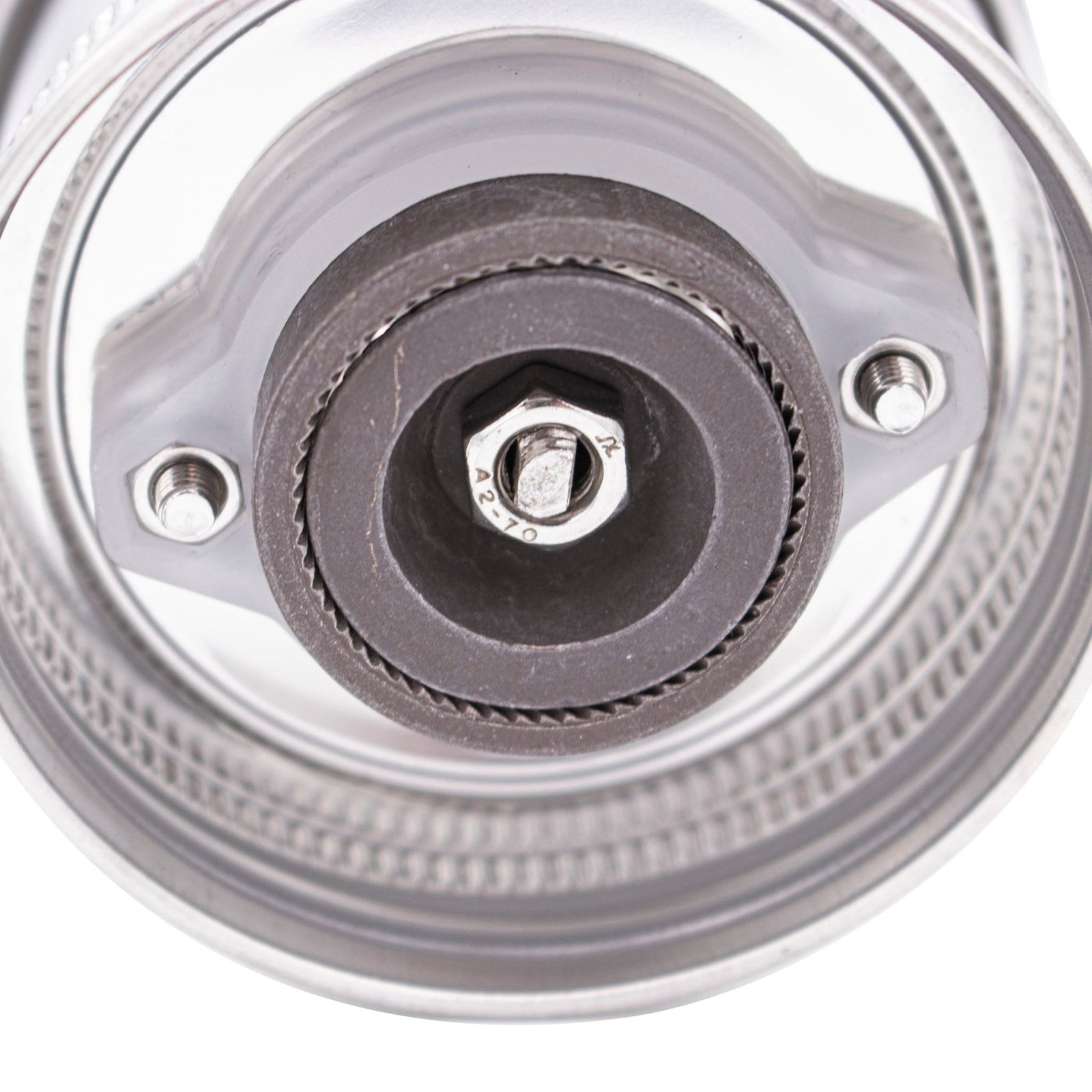
Flat burrs are two parallel discs with cutting teeth. Beans pass between them and are sheared into particles. Because the grinding path is short and the gap is uniform across the disc face, flat burrs tend to produce a narrower particle distribution.
Conical burrs are a cone-shaped inner burr spinning inside a hollow outer ring. The bean travels down a longer, tapering path, so it is cut progressively rather than all at once.
Burr Size and What It Changes in the Cup
Burr size is usually quoted as the diameter of the cutting surface, such as 54mm, 64mm, or 83mm. Size changes three things: grind speed, heat, and the room available to produce fine, even particles.
Larger burrs have a longer cutting edge and a larger gap area, so they grind a dose faster. Because they can do the same work at lower RPM, they typically generate less heat per dose.
Size does not guarantee taste. A 64mm set from one maker can outperform an 83mm set from another if the geometry and alignment are better. Treat burr size as one factor alongside shape, material, and how well the carrier and shaft hold alignment.
Burr Material: Steel vs. Ceramic
Most espresso grinders use hardened steel burrs, which hold a sharp edge and are a common choice for espresso because they can produce the fine, consistent particle sizes a pressurized basket needs. Ceramic burrs are harder and more wear-resistant, but they are also more brittle and can chip if a stone or a stray object passes through. Ceramic also tends to run cooler, which some filter-coffee drinkers prefer. For espresso, steel is the more common and more forgiving choice, and the quality of the steel and its heat treatment matter more than the headline material.
Alignment and Build: The Spec Sheet Won't Tell You
Two grinders with identical burr sets can taste different because of alignment. If the inner and outer burrs are not concentric, the gap is wider on one side than the other, and the grind is uneven no matter how good the burrs are. Alignment is set by the carrier, the shaft, and the tolerances of the housing, and it is rarely printed on a spec sheet.
Watch out: a grinder that arrives out of alignment can usually be shimmed or adjusted, but it is a job for someone comfortable with tools. If you are not, buy from a maker with a track record for alignment and a return policy you trust.
For a deeper walk through how burr geometry shapes extraction, see the Coffee Library's brewing equipment guides, which explain the grinding and extraction relationship in more detail.
Stepless vs Stepped Adjustment: Which Suits Espresso Dialing
Espresso "dialing in" means adjusting grind size until a shot extracts properly. Adjustment style decides how fine those changes can be.
- Stepped adjustment uses fixed click positions. It is simple and predictable, but each step can be too large for fine espresso tuning.
- Stepless adjustment lets you move the burr gap continuously. Small, precise changes are easier, which helps when a shot runs just a few seconds too fast or slow.
For most home espresso users, stepless adjustment is the better fit. Stepped grinders can still work well for filter coffee and other brew methods where small changes matter less.
Single-Dosing vs Hopper-Fed Grinders
A hopper-fed grinder holds a large bin of beans. It is convenient for grinding several cups, but beans sitting in the hopper can go stale, and ground coffee left in the chute carries over into the next dose.
A single-dose grinder takes only the beans you need for one shot. You weigh the dose, grind it, and use it. This keeps coffee fresh and makes switching between beans easy with minimal waste.
Single-dosing takes a little more effort per shot, but many home espresso drinkers prefer it for the control and freshness it gives.
Retention, Noise, and Countertop Footprint
Three practical factors often decide between two grinders that look identical on paper. Most buying guides skip them because they are hard to put in a spec table, but they are the ones you live with every morning.
Retention: What Stays Behind and Why It Matters
Retention is the weight of ground coffee left inside the grinder after a dose, in the chute, the burr chamber, and the exit path. A grinder with high retention can hold several grams of grounds that were milled minutes or days ago.
Retention matters most when you switch beans. If you keep one coffee in the hopper, a little carryover is a minor nuisance.
Low retention is not zero retention. Even well-designed single-dose grinders can hold a fraction of a gram, and some users keep a small brush or a bellows to clear the chute. The practical question is whether the retained amount is small enough that you do not taste it.
Noise: The Apartment Constraint
Noise is the factor most often left out of reviews and most often regretted after purchase. Grinders vary widely in volume, and the difference between a quiet model and a loud one is the difference between grinding at 6 a.m. in a shared apartment and waiting until everyone is awake.
A few mechanisms drive the difference. Motor type and mounting matter: a well-isolated motor transmits less vibration into the housing, and a heavier, damped housing radiates less sound. Burr speed matters too, since a slower-turning burr set produces less of the high-pitched whine that carries through walls.
Watch out: decibel figures are usually measured at a set distance and do not capture pitch or duration. If noise is a real constraint, look for hands-on reports from people in similar living situations rather than relying on a single number.
Countertop Footprint and Height
Footprint is the counter area a grinder occupies; height is the clearance it needs. Both matter in a home kitchen, and height is the one buyers forget. A grinder that fits under a standard upper cabinet with the hopper on may not fit with a tall single-dose hopper or a bellows attached. Measure the clearance from the counter to the bottom of the cabinet, then subtract the height of the grinder as you will actually use it, not as it ships.
Width and depth matter when the grinder shares a counter with an espresso machine, a scale, and a tamping station. A wide grinder can crowd out the workspace you need to distribute and tamp. If counter space is tight, a compact single-dose grinder with a short hopper often fits where a hopper-fed model will not.
Workflow Ergonomics: The Daily Effort
Workflow is the physical routine of making a shot, and it is where hand and electric grinders diverge most. A hand grinder asks for 30 seconds or more of cranking per dose, which is fine for one shot and tiring for four. An electric grinder trades that effort for noise and counter space.
Static and clumping are the other daily friction points. Ground coffee picks up static as it exits the burrs, and a grinder with poor static control throws grounds across the counter and leaves clumps in the basket that need to be broken up before tamping. Some grinders address this with a grounded exit path or an anti-static coating; others leave it to the user. A grinder that produces fluffy, clump-free grounds saves a distribution step every single shot.
Longevity and Repairability
A grinder is a long-term purchase, and the difference between a buy-it-for-life tool and a disposable appliance is usually parts availability. Burrs wear out and are meant to be replaced; a grinder whose burrs cannot be sourced a few years after purchase becomes scrap. Before buying, check whether replacement burrs are sold separately, whether the maker publishes a service schedule, and whether common wear parts like the burr carrier or the switch are available.
For a broader look at how grinders fit into a home espresso setup, the Coffee Library's brewing equipment section covers the surrounding gear and how the pieces work together.
Three practical factors often separate two grinders that look identical on paper.
| Factor | What to check | Why it matters |
|---|---|---|
| Retention | Grounds left in the grinder after a dose | Stale grounds carry into the next shot |
| Noise | Volume and pitch, not just decibels | Matters in shared or early-morning settings |
| Footprint | Width, depth, and height with hopper attached | Must fit under cabinets and beside your machine |
| Workflow | Cranking effort, static, and clumping | Affects daily ease and basket distribution |
| Longevity | Replacement burr and part availability | Determines whether the grinder stays useful for years |
Budget vs Professional Grade: Matching a Grinder to Your Routine
A capable entry-level burr grinder can produce excellent espresso. Spending more usually buys finer adjustment, better build quality, and a quieter, more durable motor. You do not need a commercial-grade machine to make good shots at home.
Consider these questions:
- How many espresso drinks do you make per day?
- Do you switch coffees often?
- Do you want precise dialing, or is a simpler setting enough?
- How much counter space do you have?
If you make one or two shots a day and rarely change beans, a budget burr grinder with stepless adjustment may serve you well. If you dial in often and want the finest control, a higher-end single-dose grinder is worth the cost.
Here are grinders available from Morning Fix Coffee that fit different routines:
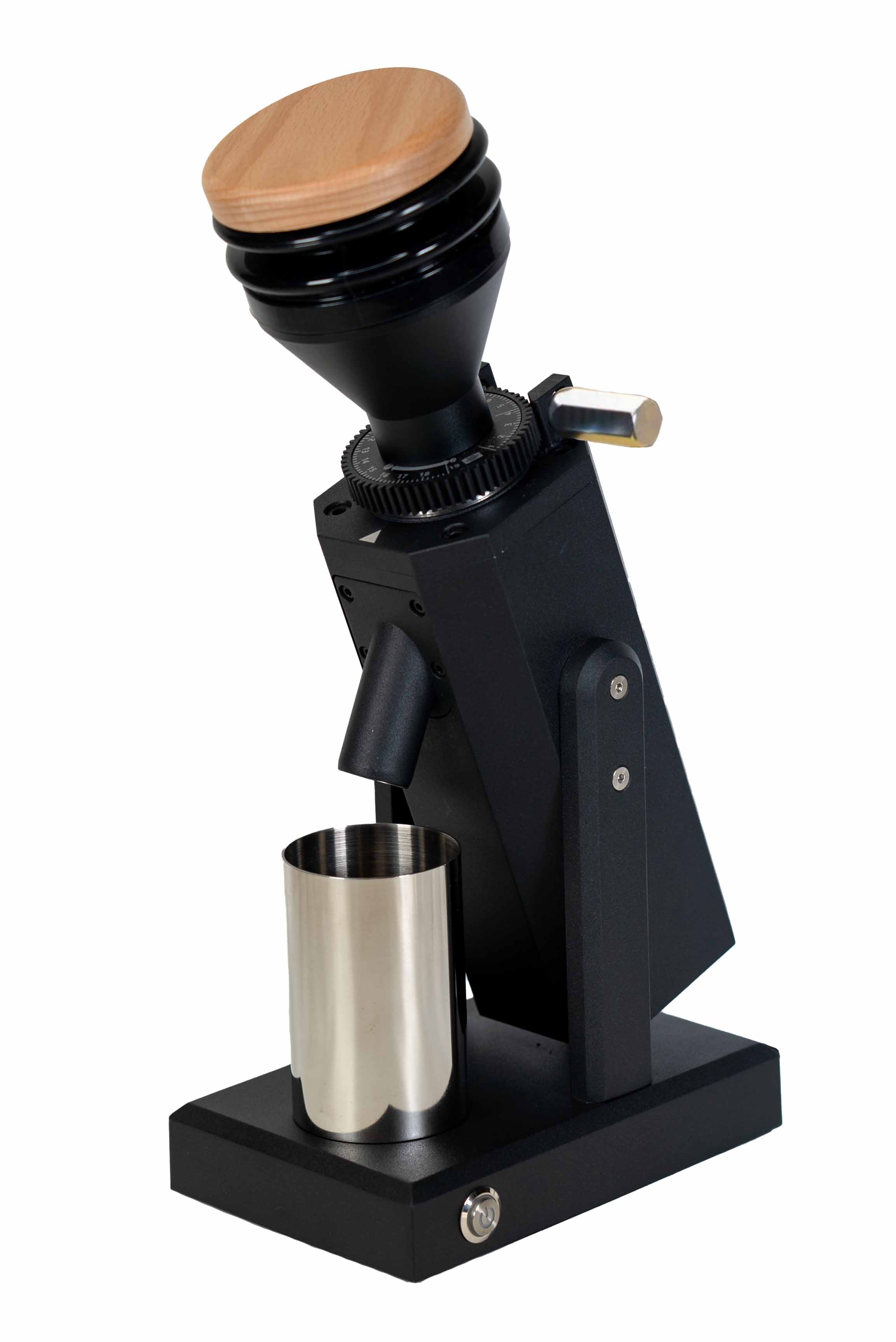
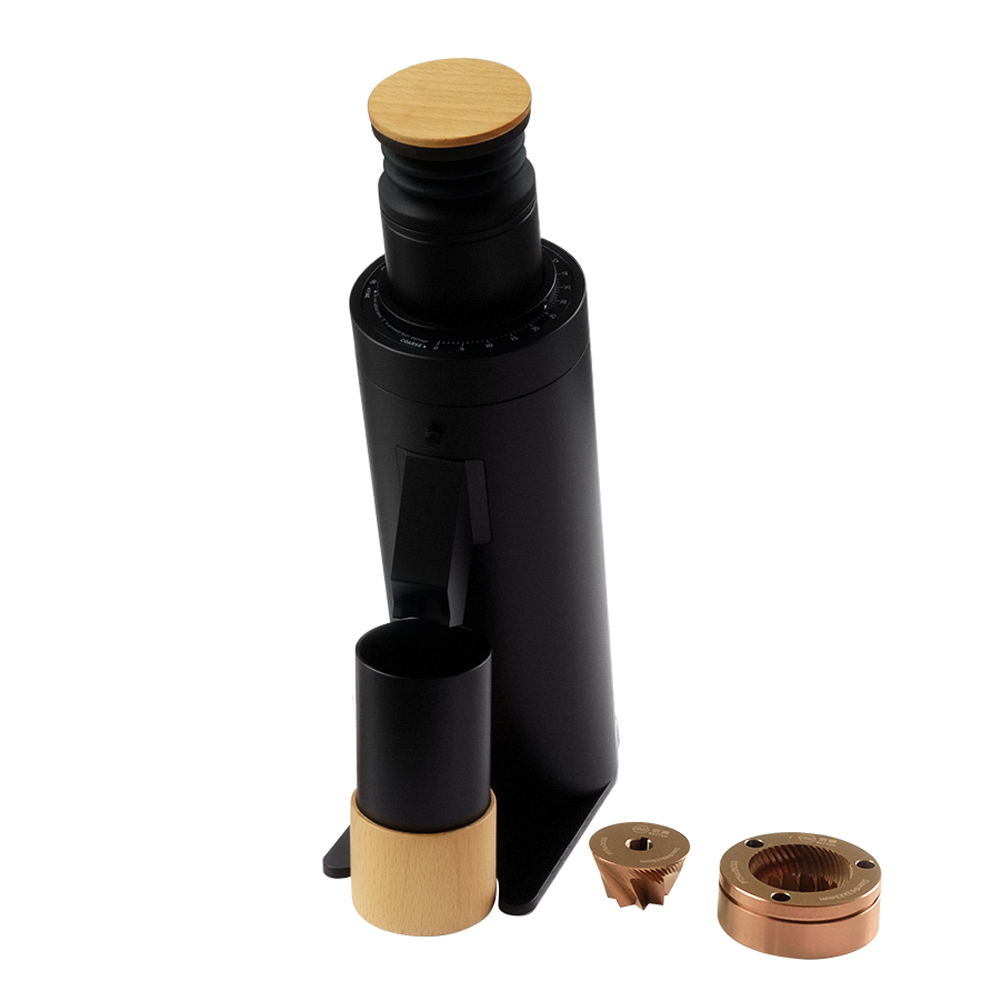
- Turin SK40 Single Dose Stepless Grinder offers stepless adjustment and conical burrs in a compact, mostly metal body at $199.00, a practical pick for budget-minded espresso drinkers.
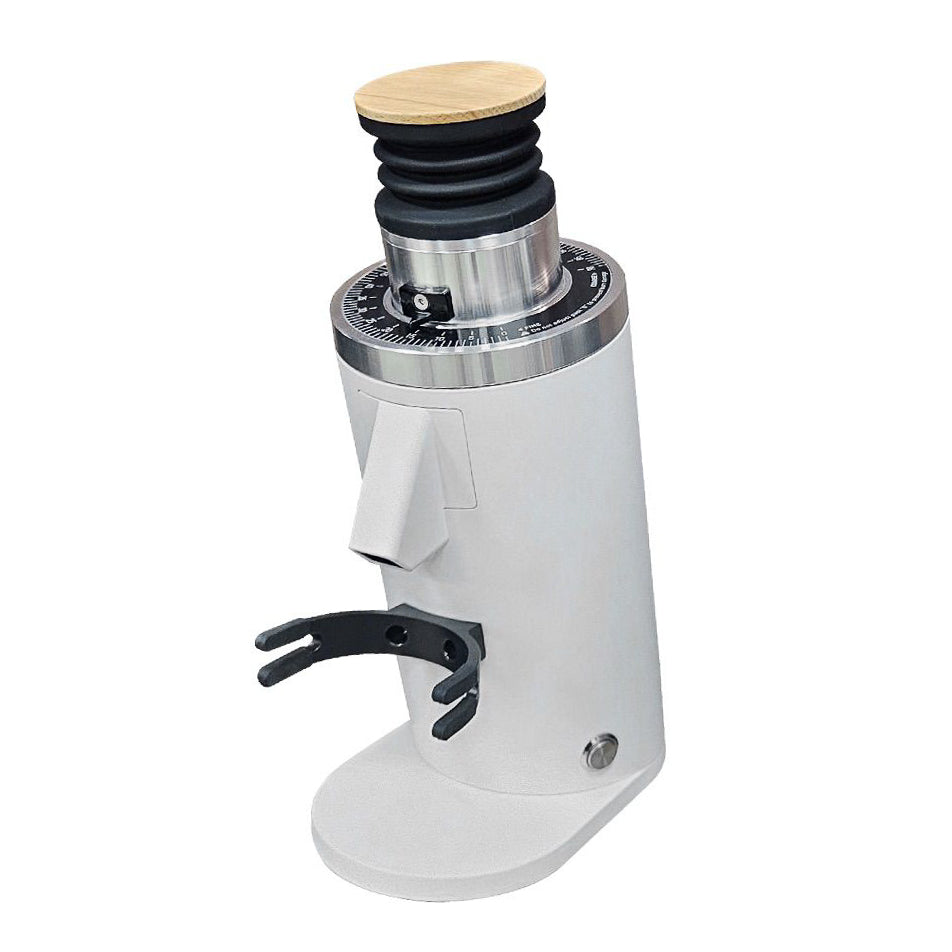
- Turin DF54 v4.1 Single Dose Flat Burr Grinder brings 54mm flat burrs and stepless adjustment into a smaller footprint at $225.00.
- Turin DF64 Gen 2.7 Single Dose Coffee Grinder adds a larger 64mm flat-burr platform at $354.00 for users who want more grinding range and aftermarket burr options.
- Turin DF83 Gen 2 Single Dose Espresso Grinder is the most powerful option here at $499.00, with 83mm flat burrs and a 550W motor for fast, low-retention grinding.
Turin grinder prices at Morning Fix Coffee
Your Feature Checklist and Next Step for Choosing a Grinder
Before you buy, check each candidate against this list:
- Burr type (flat or conical) and burr size
- Stepless or stepped adjustment
- Single-dose or hopper-fed workflow
- Retention level and how easy it is to clear grounds
- Noise level for your household
- Footprint and height for your counter
- Build materials and warranty length
- Price within your budget
Start with the workflow you actually use, then narrow the field by adjustment style and footprint. A grinder that fits your routine will make better espresso than a more expensive one that fights your kitchen every morning.
Frequently Asked Questions
What type of burr grinder is best for espresso?
For most home espresso setups, a burr grinder with stepless adjustment and burrs of roughly 54mm to 64mm in diameter offers a good balance of consistency and control. Espresso depends on a fine, uniform grind, and burrs cut particles more evenly than blades. Single-dose models suit people who change coffees often, while hopper-fed models suit people who brew the same beans daily. Test the grinder with your own beans and dial in a few shots before deciding, since small grind changes make a noticeable difference in the cup.
Are flat or conical burrs better?
Neither design is better in every case. Flat burrs tend to produce a more uniform particle distribution, which many espresso drinkers find gives clearer, more defined flavor. Conical burrs grind at lower speeds and generate less heat, and many people find they produce a rounder, fuller body. Both designs can make excellent espresso. Choose based on the flavor profile you want, the grind speed you prefer, and how much you value consistency versus body in your daily cup.
Does grind retention matter for home espresso setups?
Yes, particularly if you switch between coffees. Retention is the amount of ground coffee left inside the grinder after a grind. Retained grounds are older and can carry stale or different flavors into your next dose. A low-retention design, often with bellows or a short grounds path, makes it easier to change beans cleanly. If you always brew the same coffee, retention is a smaller concern, but it still affects how much coffee you waste each morning.
What should I look for in a home espresso grinder?
Focus on fine adjustment, a burr size that suits your counter and budget, and a workflow that fits your routine. Stepless adjustment helps when dialing in espresso. Look for low retention, a quiet enough motor for early mornings, and a footprint that fits your space. Check the availability of replacement parts and the warranty length. Morning Fix Coffee offers Turin single-dose models with stepless adjustment and bellows, including the DF54 v4.1 at $225.00 and the DF64 Gen 2.7 at $354.00.


